Ingredient Spotlight: Leptospermum Scoparium (Manuka) Honey Part of the NaturaLip® ingredient series — exploring the botanicals and biomolecules that define our formulation standard
At First Dose Cosmetics, every ingredient in NaturaLip® is selected against a specific question: what does this contribute that nothing else can? Manuka Honey answers that question more decisively than almost any other natural ingredient in skincare. It is one of the most chemically distinctive substances in cosmetic formulation, and its inclusion is a statement about the formulation standard NaturaLip™ holds itself to.
Here's why Manuka Honey earns its place.
The Ingredient
Manuka Honey is produced exclusively by honeybees foraging on the flowers of the Leptospermum scoparium tree — a plant native to New Zealand and southeastern Australia. It is distinct from conventional honey in both its chemistry and its provenance, and it is one of the most extensively studied honeys in the modern scientific literature.¹ ²
In skincare formulation, Manuka Honey appears under the INCI designation Leptospermum Scoparium (Manuka) Honey and has been valued in cosmetic and dermatologic preparations for its compositional complexity and skin-compatible profile.³
Where It Comes From
The Manuka tree grows wild across New Zealand's North and South Islands, blooming for a short window each summer. Honey production is geographically constrained, seasonally limited, and quality-graded — making genuine Manuka Honey one of the more rigorously authenticated natural ingredients in cosmetic supply chains.²
Honey itself is among the oldest documented skincare materials in human history. Records of cosmetic honey use date to ancient Egypt, Greece, and Mesopotamia — and the practice has continued across cultures for thousands of years.⁴ What distinguishes Manuka within that long tradition is the chemistry the Leptospermum nectar contributes, which sets it apart from every other honey on the market.
The Active Compounds
Manuka Honey's profile in the scientific literature centers on a set of naturally occurring compounds rarely found together in any other honey:
- Methylglyoxal (MGO) — the compound most associated with Manuka's distinctive chemistry and the basis of its commercial grading system¹ ⁵
- Leptosperin — a marker compound used to authenticate genuine Manuka Honey
- Dihydroxyacetone (DHA) — a precursor compound naturally present in Leptospermum nectar
- Phenolic compounds and flavonoids — naturally occurring plant-derived antioxidants
- Naturally occurring sugars — providing humectant character at the surface of the skin
The MGO content is the most clinically examined element, and is the basis for Manuka's reputation as a chemically distinctive honey in skincare and dermatologic research.¹ ² ⁵ Manuka has also been documented as a source of antioxidant activity in topical skincare studies.⁶
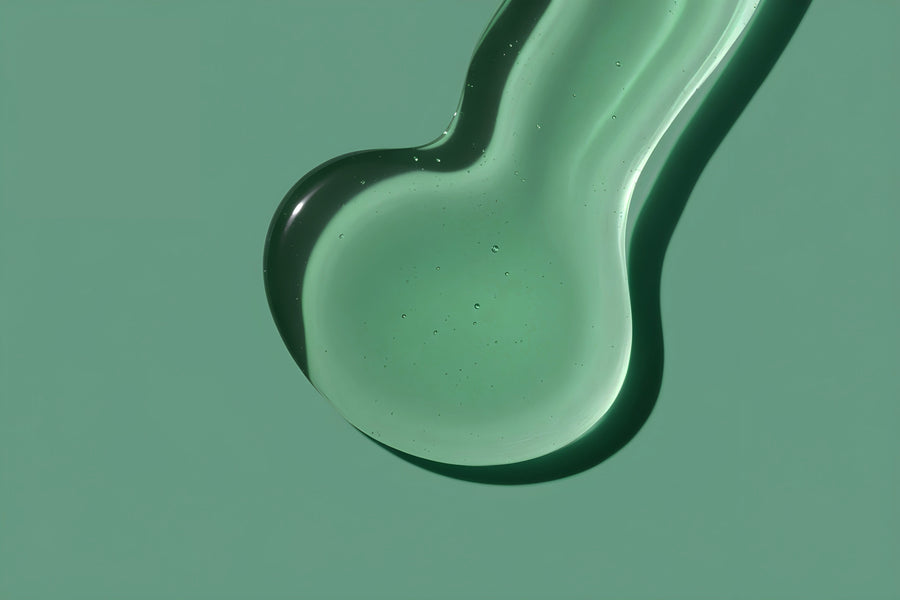
 Manuka Honey, visualized. The golden, viscous extract from New Zealand's Leptospermum trees — one of the most chemically distinctive natural minerals in cosmetic formulation.
Why It's in NaturaLip®
A serious post-enhancement formulation cannot be built on commodity ingredients. Manuka Honey is the inverse of commodity — it is one of the most authenticated, geographically constrained, and chemically distinct natural materials available in cosmetic formulation today.
For NaturaLip®, Manuka contributes three things at once. It introduces naturally occurring humectant sugars that complement the formulation's hydration architecture. It contributes the antioxidant and phenolic chemistry that is part of Manuka's documented cosmetic profile.⁶ ⁷ And it grounds the product in an ingredient with deep historical recognition in skincare across cultures and centuries.⁴
NaturaLip® includes Leptospermum Scoparium Honey because Post-Enhancement Care, by definition, is not built on the lowest-common-denominator ingredient list. The standard is what the standard sources can deliver.
What This Means for Post-Enhancement Care
The 72-hour window following a lip filler procedure is when ingredient quality matters most. Every component of the formulation is in contact with skin that is more reactive, more sensitive to environmental conditions, and more attuned to texture and feel than at any other point in the treatment cycle.
Manuka Honey's inclusion in NaturaLip® is a deliberate choice to anchor the formulation in one of the most chemically distinctive natural ingredients in cosmetic science. It is the ingredient that confirms — at the level of the INCI list itself — that this product was built without compromise.
The treatment isn't complete until the protocol is.
References
- An updated review of functional ingredients of Manuka honey and their value-added innovations. Food Chemistry. 2024.
- Burlando B, Cornara L. Honey in dermatology and skin care: a review. Journal of Cosmetic Dermatology. 2013;12(4):306–313.
- CosIng (European Commission Cosmetic Ingredients Database). Leptospermum Scoparium Honey.
- McLoone P, Oluwadun A, Warnock M, Fyfe L. Honey: A Therapeutic Agent for Disorders of the Skin. Central Asian Journal of Global Health. 2016;5(1).
- Mavric E, Wittmann S, Barth G, Henle T. Identification and quantification of methylglyoxal as the dominant antibacterial constituent of Manuka honeys from New Zealand. Molecular Nutrition & Food Research. 2008;52(4):483–489.
- Investigating the Effects of a Manuka Honey, Royal Jelly, and Bee Venom-Derived Face Serum on Skin Health and Signs of Aging. PMC. 2024.
- Manuka honey activates the aryl hydrocarbon receptor: Implications for skin inflammation. International Immunopharmacology. 2023.
Part of the NaturaLip® ingredient series. Full formulation details and ingredient documentation available upon request for medspa partners.